The 4 pm snack
is part of the day.
A chai, a crunch, a little pause. Snacking in India is woven into the day. The useful question is not “is every outside snack dangerous?” It is “what am I eating often, and what’s actually in it?”
Think of the walk back from work, the tea break between calls, the tiffin packed before the morning rush. A snack is rarely just a nutrition decision. It’s convenience, comfort, taste and time all meeting in one small packet.
There’s no need to turn that moment into a guilt trip. A snack bought outside is not automatically unsafe, and a packet with a “better-for-you” label is not automatically the right choice. What matters over time is the pattern: the Indian Council of Medical Research–National Institute of Nutrition advises limiting processed foods high in salt, sugar and fats when they are eaten regularly. Its guidance also counts jaggery and honey as added sugars.
There is a food-safety question too. FSSAI says reuse of cooking oil should be avoided and sets a limit for total polar compounds in frying oil. At a stall or restaurant, we usually cannot see how the oil has been handled. That uncertainty is a reason to choose thoughtfully and vary what we eat, not to fear every meal outside.
A tiny label check goes a long way.
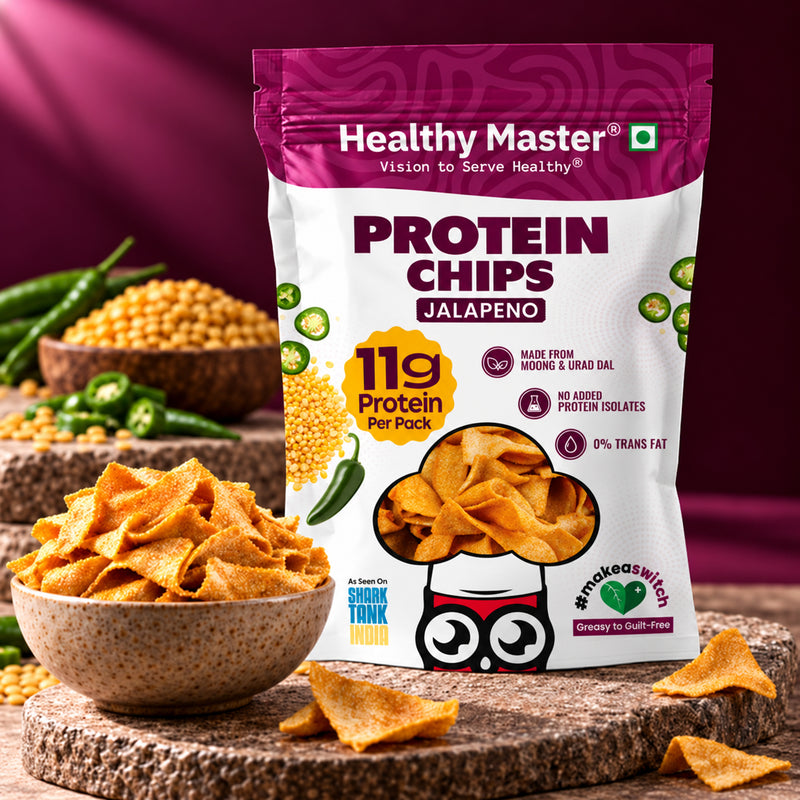
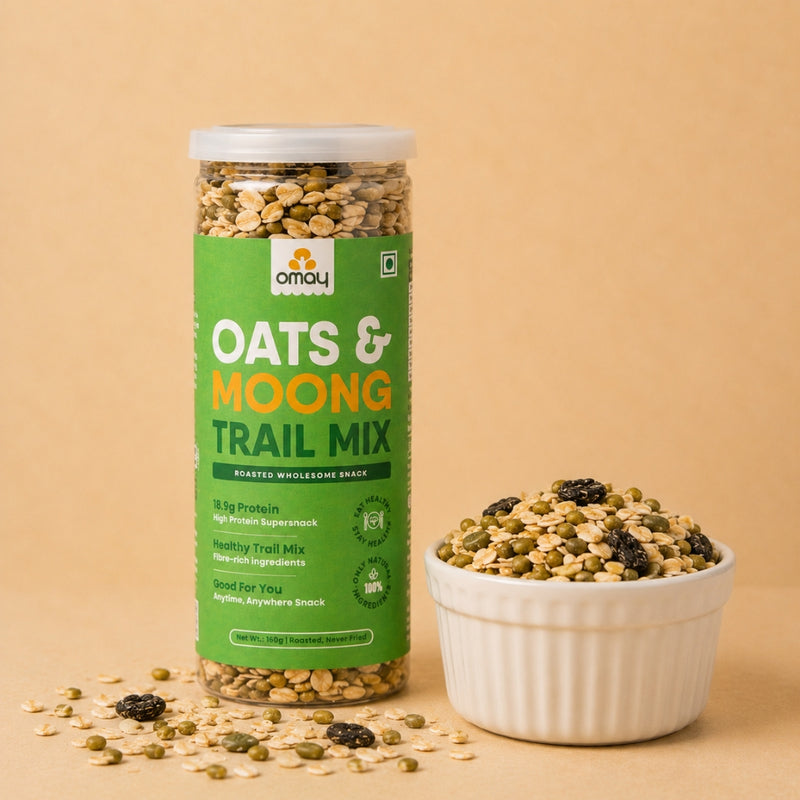
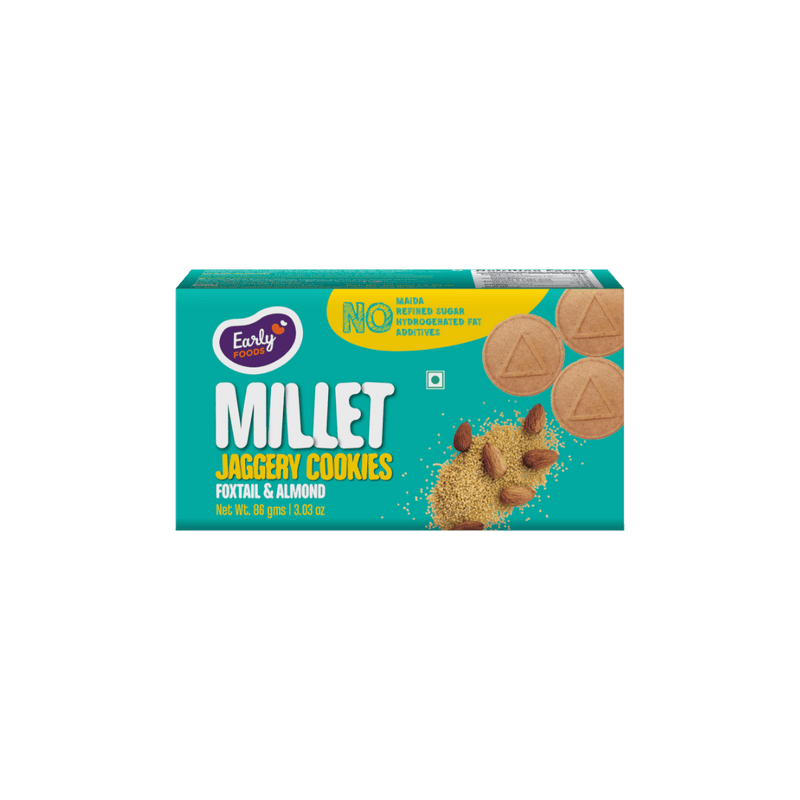
Turn the pack over. Scan the ingredients, then check added sugar, salt, serving size and allergens. If you’re choosing for a child, add texture and age guidance to that list. And if a snack is deep-fried, remember that the cooking method is part of the story too.
That is why Inbetween puts the product first and the marketing words second. We group the shelf by what you feel like eating, show the pack and label details we can verify, and send you to the seller to decide. No illness labels. No promise that one snack suits everyone. Just an easier place to pause and compare.